Riga
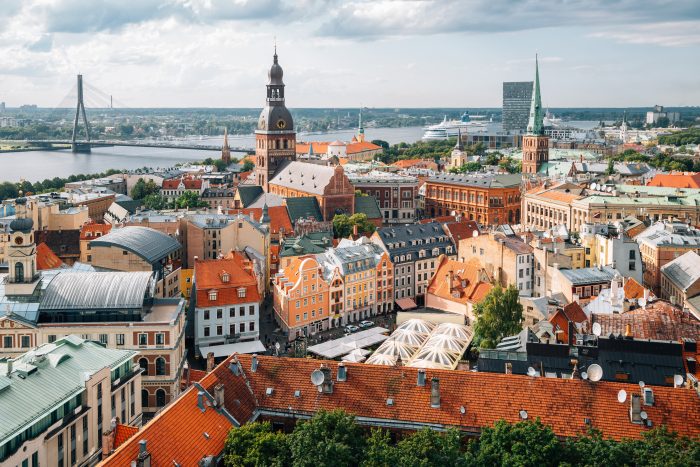
Riga, the capital and largest city of Latvia, has a population of over 600,000 and serves as the cultural, political, and economic centre of the country.
Located on the Baltic Sea and crossed by the Daugava River, Riga features extensive green infrastructure, with over 20% of its territory comprising parks, forests, and gardens.
The city’s Urban Development Strategy and Environmental Action Plan focus on increasing green coverage, promoting climate resilience, and enhancing quality of life through sustainable planning. Key green assets include Mežaparks, one of Europe’s first garden suburbs, and the restored canal network running through the city centre.
Riga builds on open data tools and community engagement programmes to better understand how residents use green spaces and to support targeted improvements in underserved areas.
Combining citizen journeys and air quality data to guide urban greening.
In Riga, citizens explore how daily journeys through the city intersect with heat stress and environmental quality, linking personal experiences with broader urban climate challenges. Through the campaign “Take a step towards a greener city”, participants use wearable temperature and relative humidity (TRH) sensors and the EcoPulse mobile app to log environmental conditions and comfort levels as they move through different neighbourhoods, helping to identify greener and cooler routes.
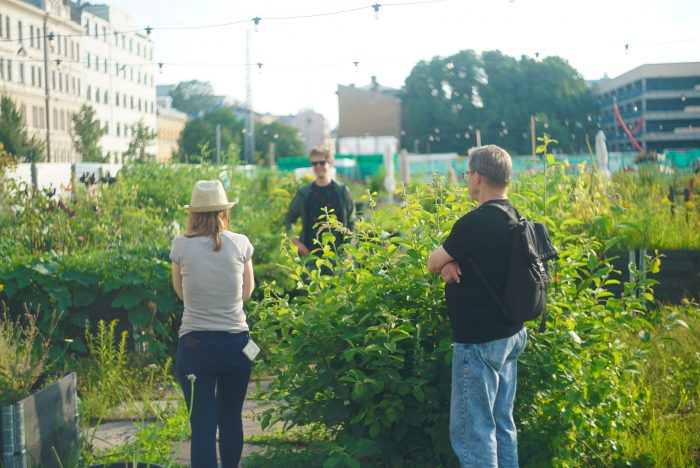
A diverse range of participants take part, from residents and neighbourhood activists to students, families, and city professionals. Participants connect through WhatsApp groups, organised walks, and social activities that reinforce learning and maintain motivation throughout the campaign.
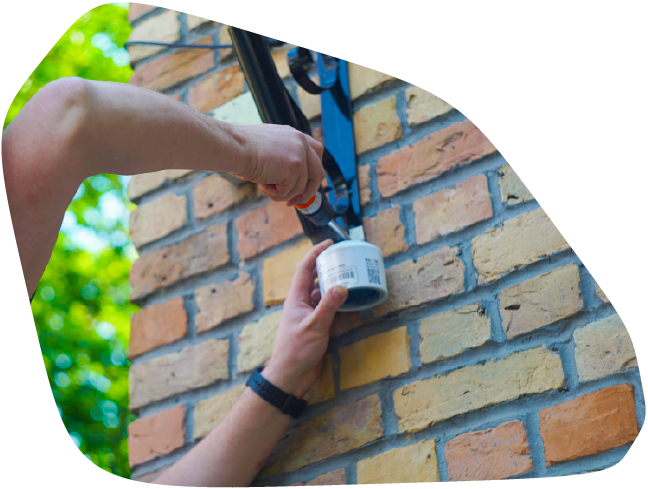
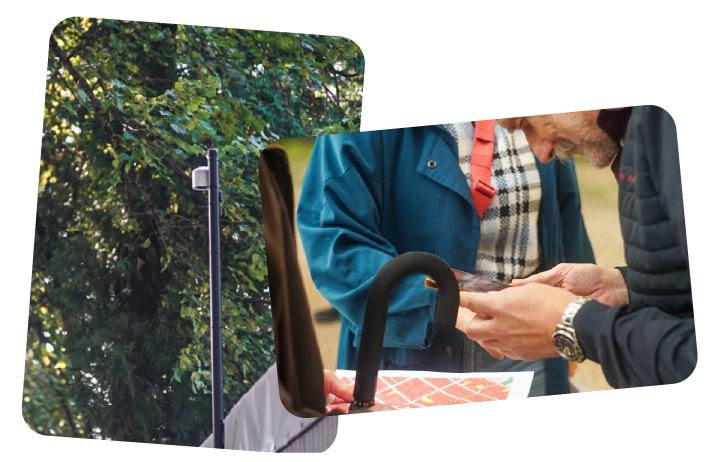
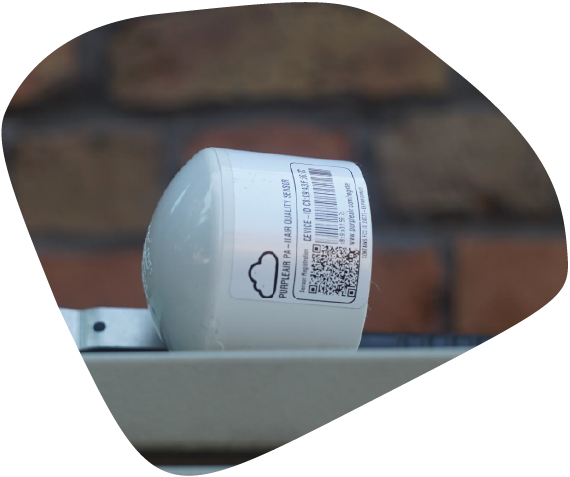
In parallel, Riga has established a local air quality monitoring network through their “Adopt a Sensor” campaign, where residents host PurpleAir sensors to measure neighbourhood-level PM2.5 concentrations. By combining mobility-based TRH data, citizen observations, and community-hosted air quality monitoring, Riga builds a richer evidence base to inform greening strategies and support targeted climate adaptation in car-dense, low-greenspace areas.
Themes
Heat
Stress

Air
Quality
Sensors / Technology / Data
Mobile
Applications
Air Quality
Monitors PM2.5

Wearable Sensors
Discover Riga’s approach
Pop Up Community and Culture Labs
Urban ReLeaf Pop-Up Labs are short-term creative initiatives that transform citizen-generated environmental data into accessible community and cultural experiences, connecting science, creativity and local knowledge to make climate challenges visible and meaningful.
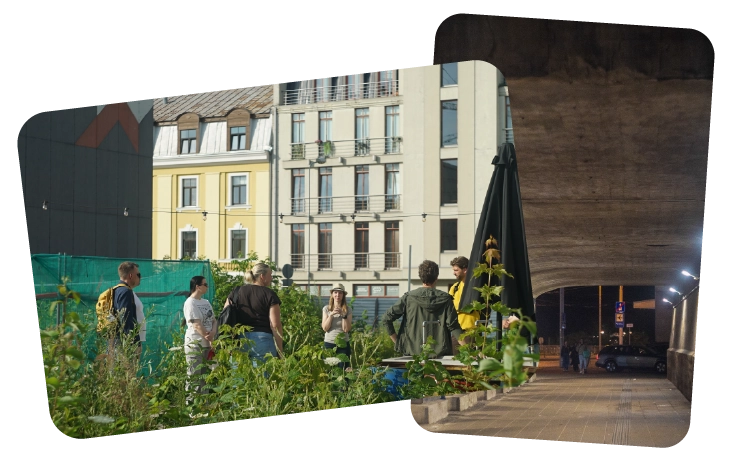
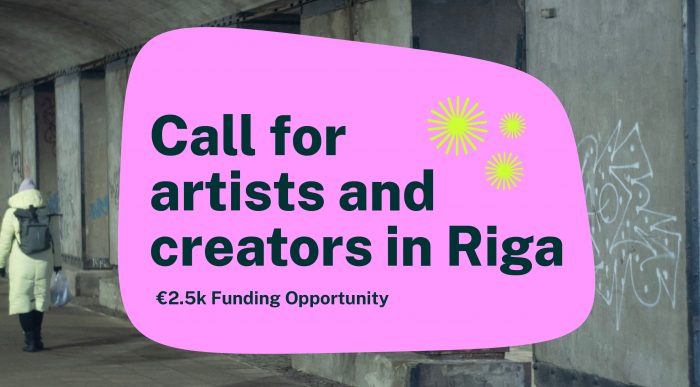
In Riga, the Pop-Up Lab brings the city’s myth of the “Riga Atlantis” to life through a large-scale community mural. Located in the central underpass near the railway station, the artwork connects themes of flooding, air quality, heat and collective climate action. Led by artist Dainis Rudens and curator Igors Gubenko, the mural is created together with residents through workshops and storytelling sessions. Painted with innovative air-purifying paint, it transforms environmental data into a powerful shared public story.